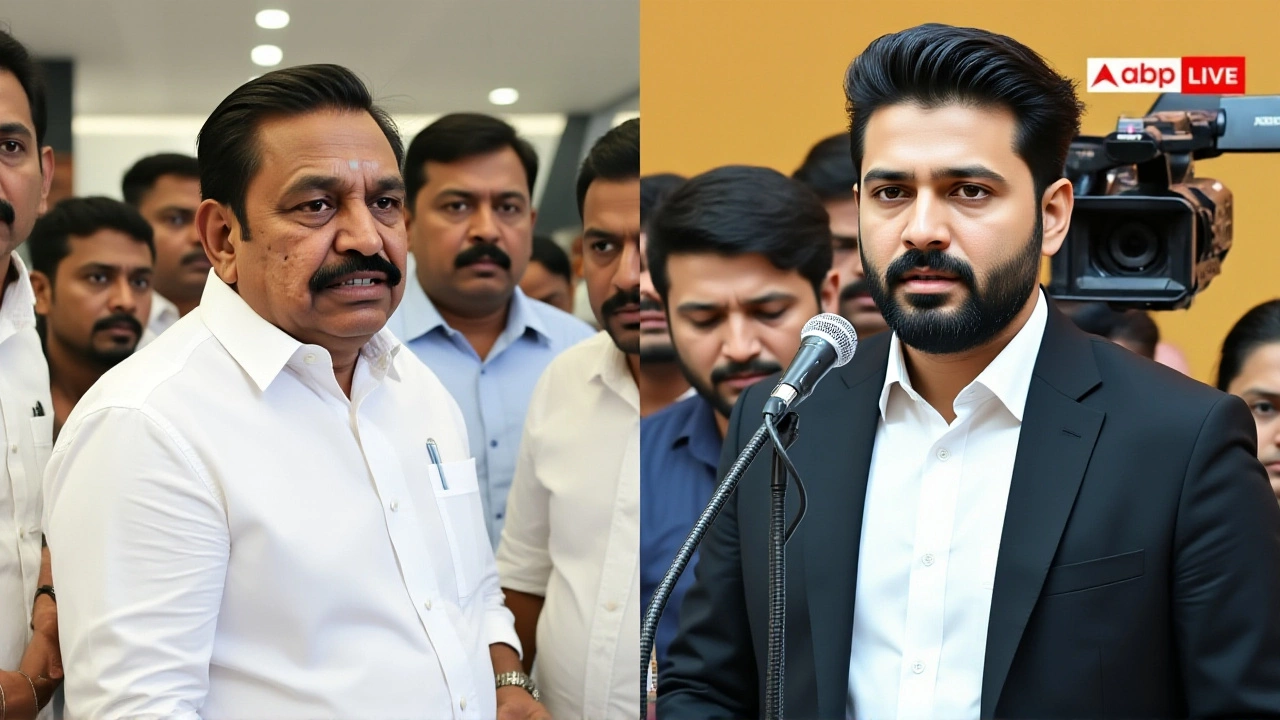
It’s a seismic shift in Tamil Nadu politics that has left opposition leaders scrambling. Three sitting members of the legislative assembly (MLAs) from the All India Anna Dravida Munnetra Kazhagam (AIADMK) resigned en masse on Monday, immediately joining the ruling party led by superstar-turned-Chief Minister Vijay, Chief Minister of Tamil Nadu.
The defection isn't just a personnel change; it’s a direct blow to AIADMK General Secretary Palaniswami. By crossing over to the Tamilaga Vettri Kazhagam (TVK), these lawmakers have not only weakened the main opposition bench but also bolstered the government’s majority at a critical juncture. The move signals a deepening crisis within the AIADMK ranks and raises questions about the stability of its alliance with the Bharatiya Janata Party (BJP).
A Coordinated Political Coup
Here’s how it unfolded: The three MLAs—M. Kumaravel from Maduranthakam, Sathyabhama from Dharapuram, and Jayakumar from Perundurai—submitted their resignations simultaneously. They didn’t wait around for media scrums or press conferences. Instead, they headed straight to the office of Aadav Arjunan, Public Works Minister in the TVK-led government.
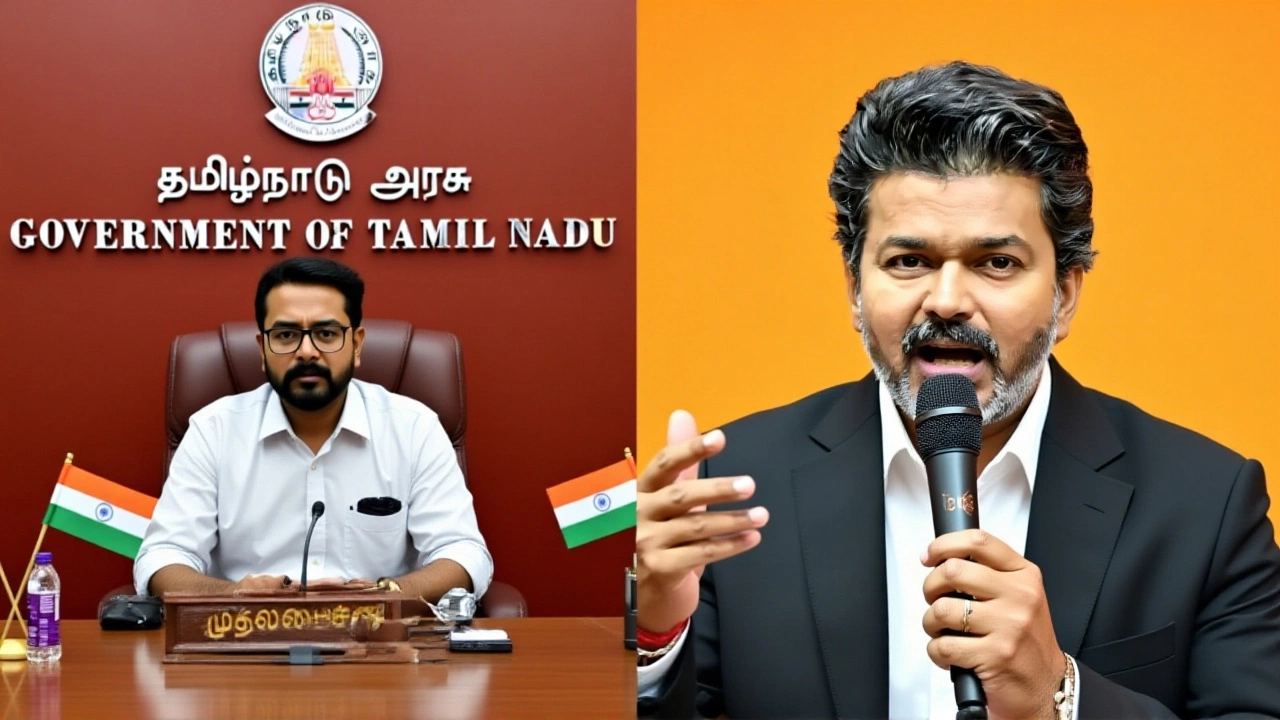
In a symbolic gesture captured by cameras, Minister Aadav Arjunan welcomed them with shawls, declaring, "Let us all move forward as one family." It was a calculated display of unity. Sources close to the event confirm that the MLAs formally joined the TVK during this meeting. This wasn’t a gradual drift; it was a decisive jump ship. The speed of the transition—from resignation letter to new party membership in hours—suggests pre-planned coordination rather than spontaneous dissent.
Impact on Power Dynamics
Why does this matter? In Indian parliamentary democracy, numbers game everything. The AIADMK, already reeling from internal fractures, lost three crucial seats in a single day. For Palaniswami, who is trying to rebuild his party’s image after years of political turbulence, this is a stinging defeat. It exposes vulnerabilities in his leadership and fuels speculation about further defections.
On the flip side, Chief Minister Vijay gains a strategic advantage. His party, founded in February 2024, has rapidly evolved from a celebrity-backed project into a serious political force. By absorbing experienced legislators, the TVK strengthens its legislative muscle. Analysts note that this could embolden other disaffected AIADMK members to follow suit, potentially triggering a domino effect.
The broader implication extends beyond state politics. Since the AIADMK is part of the National Democratic Alliance (NDA) at the center, any erosion of its strength in Tamil Nadu weakens the BJP’s southern footprint. Critics argue that the central alliance may need to rethink its support strategy if local partners continue to hemorrhage talent.

By-Elections Looming
With the Speaker accepting the resignations, four assembly constituencies are now vacant. Alongside the three mentioned above, Tiruchirappalli East is also up for grabs, bringing the total to four by-elections. The Election Commission will soon announce dates for these polls.
Expect drama. Reports indicate that Kumaravel, Sathyabhama, and Jayakumar may contest these by-elections under the TVK banner. If successful, they’ll return to the assembly as ministers’ allies rather than opposition critics. This scenario would effectively double the political gain for the ruling party: retaining influence in those regions while neutralizing former rivals.
Historically, by-elections in Tamil Nadu serve as barometers for public sentiment. A strong showing by the TVK candidates could validate Vijay’s political experiment. Conversely, an upset victory for independent or allied candidates might signal voter fatigue with frequent regime changes.
Expert Analysis: What’s Next?
Political observers warn that this isn’t an isolated incident. It reflects a larger trend of realignment in South Indian politics, where traditional loyalties are giving way to pragmatic calculations. As one analyst put it, "Leadership credibility is currency right now. Vijay is cashing in; Palaniswami is overdrawing."
The coming weeks will be telling. Will more AIADMK MLAs defect? How will the BJP respond? And can the opposition regroup before the next major vote? For now, the message from Chennai is clear: power shifts fast, and those who hesitate risk being left behind.
Frequently Asked Questions
Who are the three MLAs who resigned from AIADMK?
The defectors are M. Kumaravel (Maduranthakam), Sathyabhama (Dharapuram), and Jayakumar (Perundurai). All three were elected on AIADMK tickets and have now joined the Tamilaga Vettri Kazhagam (TVK), the party led by Chief Minister Vijay.
Why is this significant for AIADMK leader Palaniswami?
This mass resignation weakens the AIADMK’s legislative presence and undermines Palaniswami’s authority. It highlights internal discord and raises doubts about his ability to retain key allies, especially ahead of upcoming by-elections.
What role did TVK Minister Aadav Arjunan play?
Aadav Arjunan, the Public Works Minister, personally received the resigning MLAs at his office. He welcomed them into the TVK with shawls, signaling official acceptance and integration into the ruling party structure.
How many by-elections will be held due to these resignations?
Four by-elections are expected: Maduranthakam, Dharapuram, Perundurai, and Tiruchirappalli East. The latter seat became vacant separately, but the timing coincides with the AIADMK resignations.
Will the defected MLAs contest the by-elections?
Reports suggest they may run as TVK candidates in the upcoming by-elections. If elected, they would re-enter the assembly as supporters of the current government, strengthening Vijay’s position.
 News & Politics